
NC Bankruptcies: Chapter 7 vs Chapter 11 vs Chapter 13
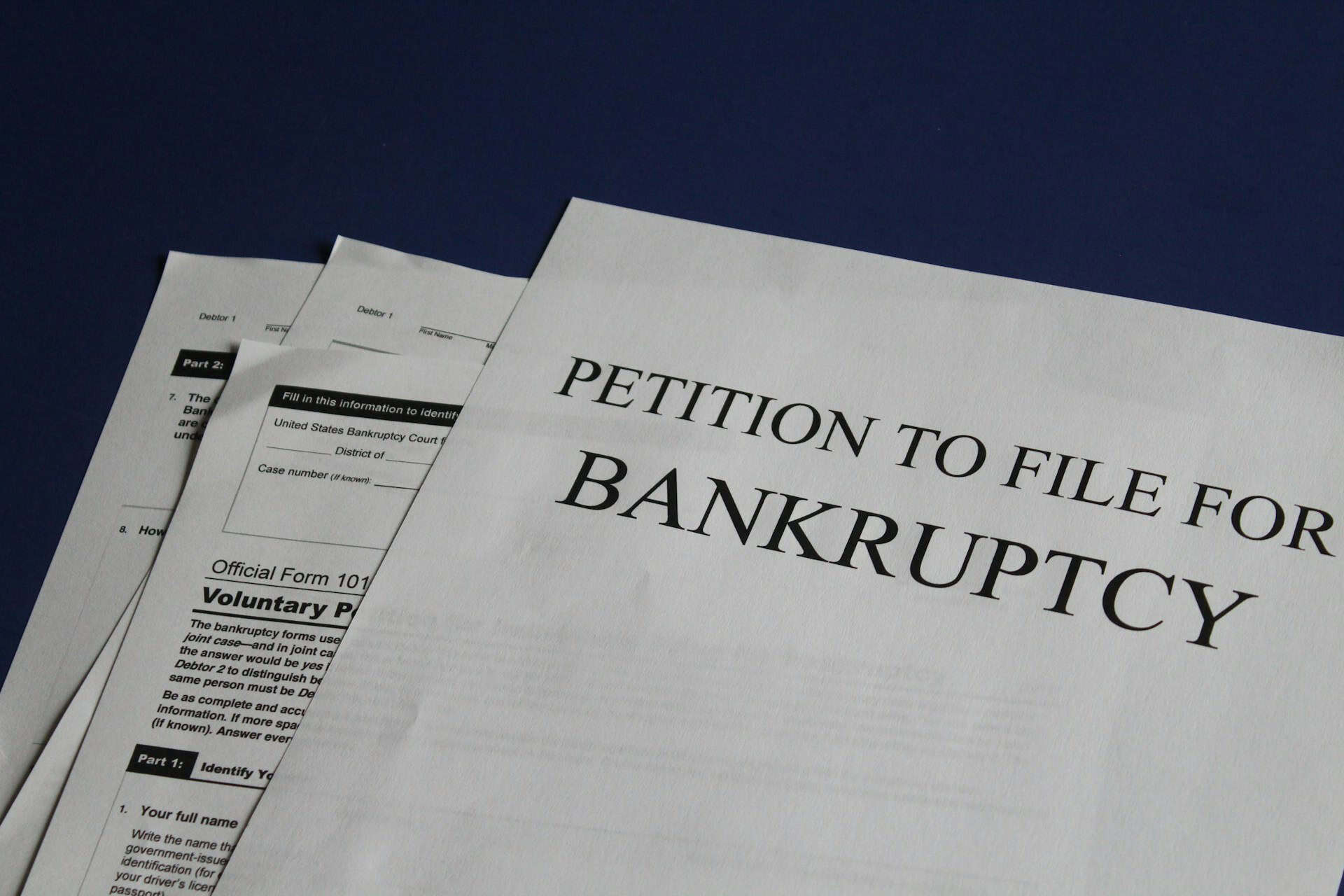
You toss and turn. Another night of waking up in a cold sweat, worrying about which bills to pay and which to skip.
Living paycheck-to-paycheck is hard enough. However, the rising cost of gas, electricity, insurance, and groceries, paired with an unexpected medical bill, is too much. You don’t know what to do. You feel like a failure.
More than 1 in 10 North Carolinians already live on poverty incomes. Yet, the average person in North Carolina owes $58,900 to creditors. It’s a lot, and it can seem impossible to escape the debt weighing heavily on your shoulders.
A common misconception is that bankruptcy is a failure. If this is your mindset, stop and explore the bankruptcy options available to North Carolina residents. Ivey McClellan’s guide to Chapter 7 vs Chapter 11 vs Chapter 13 helps you choose the best option for your situation.
The Types of Bankruptcy Explained: A Comparison
What you get to keep and what gets sold to settle your debts depends on the type of bankruptcy.
Chapter 13 Bankruptcy
Individuals with a regular income can pay their debts in installments over a period of three to five years with a Chapter 13 bankruptcy.
You get to keep your exempt and non-exempt property under Chapter 13, which we'll explain below, provided you make your monthly payments on time. If you miss a payment, you risk losing some of your belongings.
The bankruptcy is discharged after you make all required payments and are current on any domestic support obligations incurred after the bankruptcy petition. Alimony, child support payments, and certain taxes you’ve owed for less than three years are not discharged.
If you have had another Chapter 13 discharge in the two years before this petition or a Chapter 7, 11, or 12 bankruptcy case within the prior four years, a discharge will not be granted.
Chapter 11 Bankruptcy
Chapter 11 helps businesses reorganize debt. If you file Chapter 11, Local Rule 2090-1 requires you to retain a bankruptcy attorney licensed to practice in the court handling your bankruptcy case. An attorney is essential.
Chapter 7 Bankruptcy
Known as a Liquidation Bankruptcy, Chapter 7 pays off all debts when you lack the means to pay them off. Unlike Chapter 13, where you make payments each month to pay what’s owed, your debts are wiped clear, giving you a fresh start.
To qualify, you cannot have had another Chapter 7 discharge in the past eight years or a Chapter 12 or 13 bankruptcy in the past six years. There are exceptions if you can prove that you’re not abusing the bankruptcy system.
Understanding North Carolina Exemptions, Bankruptcy Timelines, and Costs
When you file for bankruptcy in North Carolina, you are required to pay your legal and filing fees. Filing fees can be paid in installments.
- Chapter 7 – Filing fee of $338, attorney fees vary, and the entire process usually takes four to six months.
- Chapter 11 – Filing fee of $1,738, attorney fees vary, and the entire process can take years.
- Chapter 13 – Filing fee of $313, attorney fees vary, and the entire process takes three to five years.
It’s hard to pinpoint exactly what your bankruptcy attorney fees will be, as there are so many factors. It depends on how much you owe, how many creditors are involved, and how complex your case is. That’s also why it’s impossible to give an exact estimate of how long the process will last.
What Can You Keep?
North Carolina bankruptcy rules allow you to keep certain items in a bankruptcy. The exemptions are:
Protect Your Home: Get a Homestead Exemption of $35,000 in equity protection. Older adults 65+ may qualify for a higher Homestead Exemption of $60,000.
Protect a Car: You're allowed to protect one of your cars for up to $3,500 in equity.
Protect Personal Items: Clothing, animals, appliances, household goods, and personal items are exempt up to $5,000 for the debtor and $1,000 for each dependent, not to exceed $4,000 in all for dependents.
Protect Professional Items: Professional books and tools are eligible for an exemption of up to $2,000.
If you don’t use the entire Homestead Exemption, you’re given a “Wildcard” Exemption for up to $5,000 on other property you wish to protect.
Which Bankruptcy Should I File?
Not every type of bankruptcy is the right fit for North Carolina's residents. You have to consider your precise situation.
- Chapter 7 is best if you have excessive credit card debt that you cannot afford and no assets to your name.
- Chapter 11 is ideal for a family clothing store that struggled after losing a big account and is trying to recover.
- Chapter 13 helps if you lost your job and found a new one at a lower salary, making it hard to keep up with your mortgage payments.
North Carolina’s Step-by-Step Filing Process
Filing for bankruptcy is complex and takes time. The penalties for bankruptcy fraud are steep, including imprisonment and fines of up to $500,000. Work with a bankruptcy attorney to ensure your filing process follows the law.
Pre-Filing
Complete the approved North Carolina credit counseling requirement or file a motion for exemption or waiver. Expect to pay a small fee for credit counseling and financial management courses. However, free or reduced rates are available when necessary. North Carolina law prohibits excessive fees for credit counseling.
Petition
File the appropriate bankruptcy petition with the Middle District of NC.
Automatic Stay
This is a protective shield that immediately stops any debt collection calls and letters, wage garnishments, repossessions, or lawsuits. It goes into immediate effect when you file the petition and remains in place while the bankruptcy petition is processed.
Meeting of Creditors
The trustee assigned to your bankruptcy case meets with your creditors and answers their questions.
Discharge
With court approval, the judge issues a final order that clears you of some or all of your debt. Depending on the bankruptcy, you may still have debt to pay off through monthly payments.
Take a Step Towards Financial Freedom
Bankruptcy is not a sign of failure. It’s a legal framework available to people in North Carolina who need a second chance. It’s the first step towards a strong financial future.
Peace of mind starts the minute you contact the bankruptcy attorneys at Ivey McClellan. Our bankruptcy consultations provide you with the answers you need. Experience tremendous relief when you realize there are ways to end your struggles with debt. Reach us online or call (336) 274-4658.
Office Locations
Greensboro
100 South Elm Street Suite 500
Greensboro, NC 27401
Phone: (336) 274-4658
Fax: 336-274-4540
Eden
551 Monroe Street
Eden, NC 27288
Phone: (336) 623-4600
